When Water Won't Drain: A Guide to Emergency Drain Unblocking
There is a moment every homeowner dreads. You flush the toilet, and instead of a clean swirl, the water rises. You run the kitchen tap, and the sink fills with grey, stagnant water. In a basement flat or a ground-floor property, the panic hits even faster. That sudden, unwelcome surge is when you realise you need emergency drain unblocking, and you need it now. Waiting until Monday morning is not an option when dirty water is creeping across your floor.
I have seen this scene play out countless times across Essex, London, and the M25 corridor. The cause is almost never a single thing. It is a combination of small missteps that build into a crisis. A little cooking fat goes down the sink every night. A few wet wipes get flushed because the bin was full. Tree roots find a tiny crack in an old clay pipe and push their way in over years. Then one day, the system gives way. The blocked drain that was a slow inconvenience becomes a full-blown sewer backup.
What Happens When a Drain Blocks
A drainage system is designed to move water and waste away from your property by gravity. When something obstructs that flow, pressure builds behind the blockage. If the blockage is in your internal pipework, you might notice gurgling sounds from other fixtures as the trapped air escapes. If it is in the main sewer line outside, the backup can affect multiple houses on your street. The first sign is often water pooling in a shower tray or a toilet bowl that drains slower each day until it stops entirely.
Understanding the nature of the blockage helps you decide whether a plunger or a drain snake will do the job, or whether you need professional drain unblocking. Surface blockages near the trap or the P-trap under a sink can often be cleared with a good rubber plunger and some elbow grease. But deeper obstructions, especially those involving tree root ingress or a fatberg in the main run, require heavier equipment. That is where the difference between a quick fix and a lasting solution becomes clear.
The Limits of DIY Drain Unblocking
I have lost count of the number of times a customer has told me they tried a drain cleaner from the supermarket first. Those chemical products can shift a bit of soap scum or hair, but they rarely touch a solid mass of congealed fat, wet wipes, and sanitary products. Worse, if the drain is completely blocked, the chemical sits in one place and can damage plastic pipes or harm the environment when it finally does flush through. A plunger works for minor clogs in a single fixture, but it cannot reach blockages further down the pipe. A drain snake can go further, but without a camera to see what the snake is hitting, you can push the blockage deeper or damage an already fragile pipe.
There is also the question of safety. A sewer backup contains bacteria and pathogens that can cause serious illness. Standing water in a basement or a ground-floor bathroom is not just unpleasant; it is a health hazard. When you are dealing with raw sewage, the right approach is to call someone who has the protective gear, the knowledge, and the insurance to handle it. That is not an exaggeration. I have seen people try to clear a blocked drain with a coat hanger only to end up with a face full of contaminated water.
Professional Methods for Emergency Drain Unblocking
When a drain is completely blocked and water is backing up into the property, time is the most important factor. Professional drain unblocking services start with diagnosis. A CCTV drain survey is usually the first step. A small camera is fed into the pipe, and the engineer watches a live feed on a monitor to locate the exact point of the blockage and assess its nature. Is it a fatberg, a collection of tree roots, a collapsed pipe, or a solid object that has been flushed? Knowing this determines the next move.
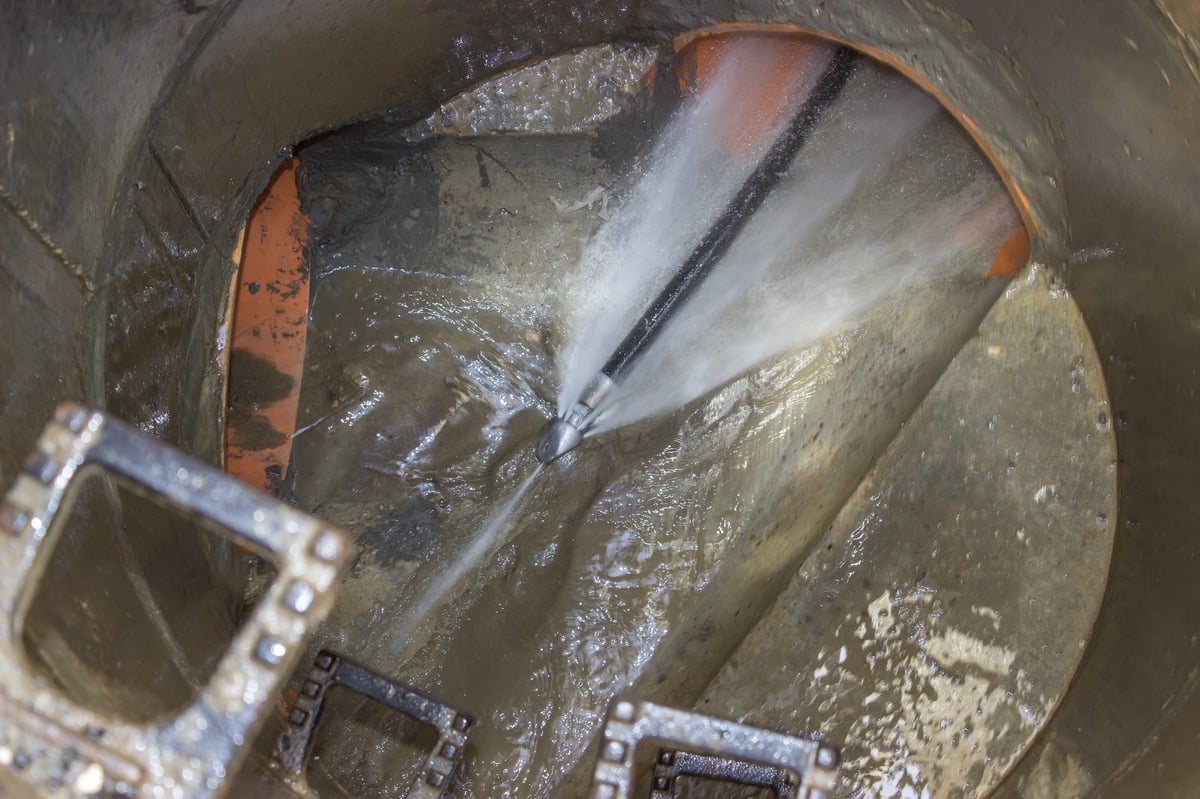
For grease and sludge blockages, hydro-jetting is the standard technique. A high-pressure water jet is directed into the pipe to scour the walls and break up the fat and debris. This method is effective for most commercial kitchen drains and residential sewer lines where grease traps have been neglected. For tree roots, a mechanical cutter or a specialist root-cutting attachment on a jetting hose is used to sever the roots, followed by a high-pressure flush to clear the debris.
In cases where the pipe has collapsed or is severely damaged, drain repair or replacement may be necessary. But in an emergency, the immediate goal is to restore flow and stop the backup. That might mean temporarily patching a section while a permanent repair is scheduled. A good emergency plumber or drainage engineer will explain what is happening, what the options are, and what the likely cost will be before they start work.

Prevention: What You Can Do Before the Next Blockage
No one wants to go through an emergency drain unblocking twice. Once you have dealt with the immediate crisis, it is worth thinking about prevention. The most common cause of recurring blockages in domestic properties is the combination of fat, oil, and grease going down the sink. In commercial kitchens, a grease trap is mandatory for good reason. At home, a simple rule helps: scrape plates into the bin, wipe greasy pans with a paper towel before washing, and never pour cooking oil down the sink. Collect used oil in a container and dispose of it with your household waste or at a local recycling point.
Another simple habit is to avoid flushing anything other than toilet paper and human waste. Wet wipes, even those labelled as flushable, do not break down like toilet paper. They accumulate in the sewer lines and combine with fat to form fatbergs that can weigh several tonnes. Sanitary products, cotton buds, and dental floss are also common culprits. A small bin in the bathroom makes a big difference.
If you have trees near your drainage pipes, consider having a CCTV drain survey done every couple of years. Tree root ingress is a slow process, but it can cause serious damage if left unchecked. Roots seek out moisture and nutrients, and a drain pipe full of warm, nutrient-rich water is an irresistible target. Early detection means you can treat the roots before they crack the pipe and cause a collapse.
When to Call for Help
Not every slow drain requires an emergency call-out. If the water is still moving and you have time, try a plunger or a drain snake for a simple blockage in a single fixture. But if the blockage affects multiple fixtures, if water is backing up into a shower or toilet on the ground floor, or if you see sewage coming up through an outside drain cover, you need professional help. That is the moment to search for emergency drain unblocking services in your area. Companies like A+ Drainage Services cover Essex, London, and the M25 area, and they typically offer no-callout-fee pricing, which removes one barrier to making that call early.
There is also the issue of storm drains. Heavy rain can overwhelm drainage systems, especially if the pipes are already partially blocked. If you notice water pooling in your garden or on the driveway after a downpour, it might be worth having your storm drains checked and cleared before the next big storm. A blocked storm drain can cause water to back up into your property just as surely as a blocked sewer line.
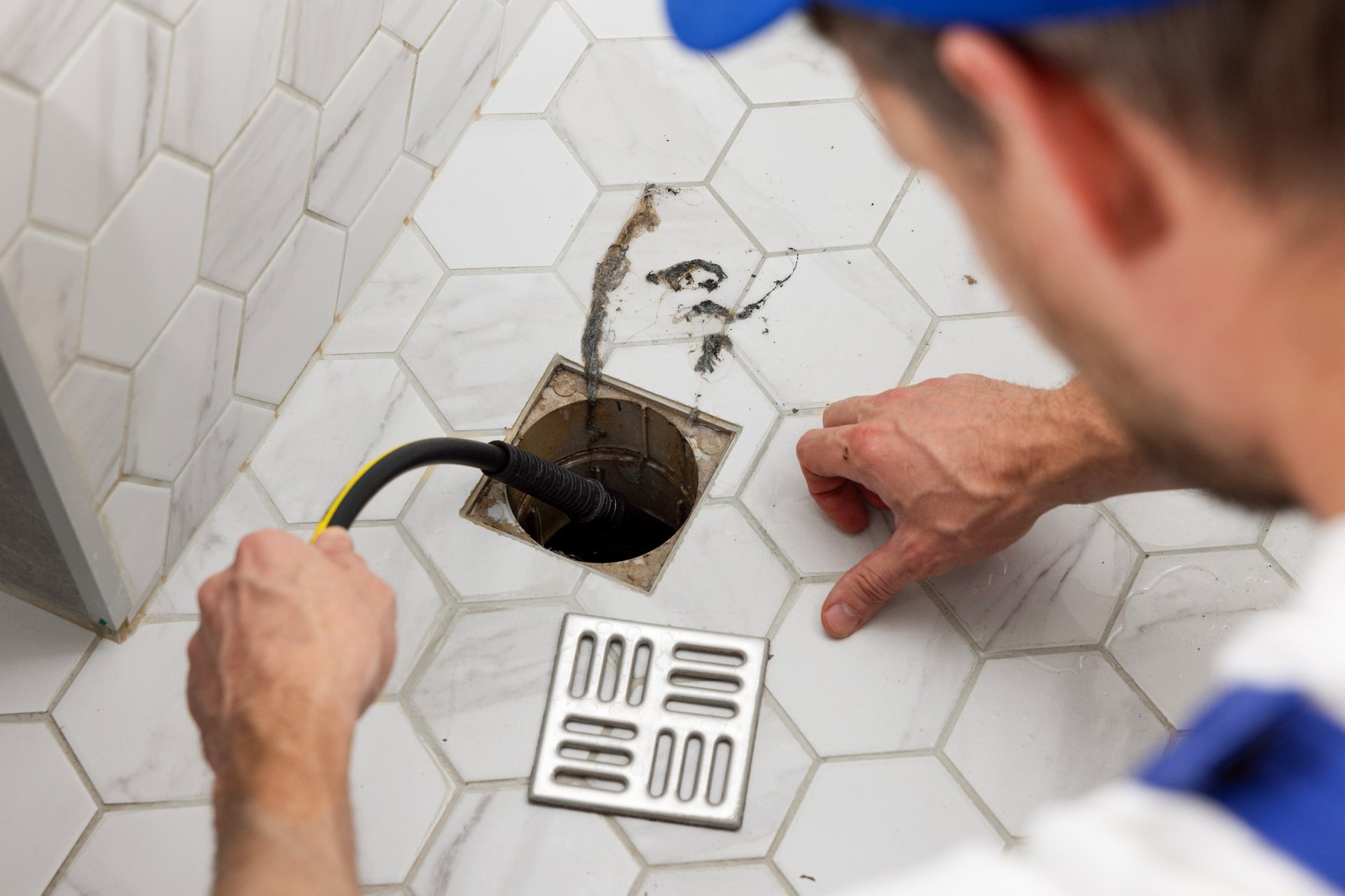
Finally, do not ignore the small signs. A slow-draining sink or a toilet that takes two flushes to clear is a warning. Addressing it early with a drain cleaner or a simple plunger might prevent the full blockage. But if the problem persists or gets worse, call a professional. The cost of an emergency call-out is far less than the cost of repairing water damage, replacing flooring, or dealing with a health hazard from a sewer backup.
I have seen too many people wait until the water is ankle-deep before they pick up the phone. By then, the damage is done. A little bit of foresight and a willingness to act quickly can save you a lot of stress, mess, and money. And when you do need emergency drain unblocking, knowing that someone can get to you fast, with the right equipment and the right experience, makes all the difference.